




















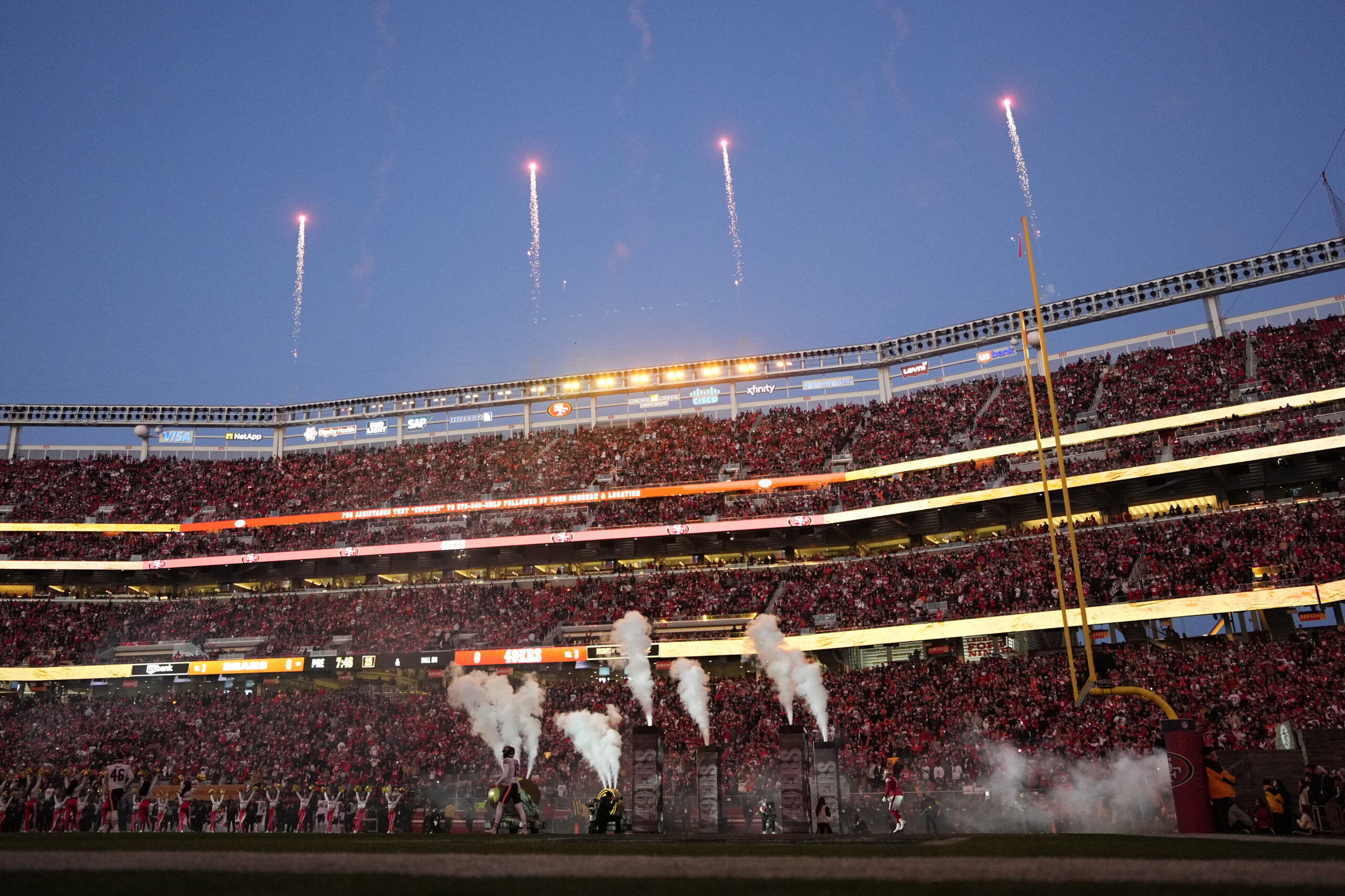
Chicago Bears stadium future takes turn after major Illinois setback
focus towards building a new stadium in Arlington Heights.
The Chicago Bears have called Soldier Field home for nearly a century, but in recent years, the aging stadium has become a point of contention for the team. With limited space for modern amenities, the organization has been exploring options for a new stadium that can better accommodate their needs and provide a more immersive fan experience.
The latest development in the Bears’ stadium saga came this week when a scheduled legislative hearing in Springfield was abruptly pulled from the calendar. The timing of this cancellation raised eyebrows among fans and observers, especially as reports began to surface suggesting that the team is now considering building a new stadium in Arlington Heights.
Arlington Heights, a suburb located about 30 miles northwest of Chicago, has long been rumored as a potential location for the Bears’ new stadium. The area offers ample space for a state-of-the-art facility, as well as easy access to major highways and public transportation. Additionally, Arlington Heights is home to a growing population of affluent residents who could potentially support the team through ticket sales and other revenue streams.
While the Bears have not officially confirmed their plans to build a new stadium in Arlington Heights, the recent developments suggest that this option is becoming increasingly likely. This shift in focus has sparked a mix of excitement and concern among fans, who are eager to see the team secure a long-term home but also worry about the potential impact on the historic Soldier Field and the surrounding neighborhood.
One of the main reasons the Bears are considering a move to Arlington Heights is the limitations of Soldier Field. The stadium, which was originally built in 1924 and renovated in 2003, has a seating capacity of just over 61,000. This makes it one of the smallest stadiums in the NFL and limits the team’s ability to generate revenue through ticket sales and other sources.
In addition to its small size, Soldier Field also lacks many of the modern amenities that have become standard in newer NFL stadiums. The limited number of luxury suites and club seats at Soldier Field means that the team is missing out on valuable revenue opportunities, while the outdated facilities make it difficult to provide fans with the kind of premium game-day experience they have come to expect.
By contrast, a new stadium in Arlington Heights would offer the Bears the opportunity to design a state-of-the-art facility that meets their needs and provides fans with a best-in-class experience. The team could incorporate features such as more luxury suites, premium seating options, and cutting-edge technology to enhance the game-day experience for fans and generate additional revenue.
The potential move to Arlington Heights has also raised concerns about the impact on the surrounding community. While a new stadium could bring economic benefits to the area, such as increased tourism and job opportunities, it could also lead to issues such as traffic congestion, noise pollution, and changes to the character of the neighborhood.
These concerns have been heightened by the sudden nature of the Bears’ shift towards Arlington Heights. With the legislative hearing in Springfield being canceled at the last minute and reports of the team’s interest in the suburb emerging shortly thereafter, many fans and community members feel blindsided by the potential move. They worry that the decision is being made without proper consultation or consideration of the implications for the city of Chicago and its residents.
Despite these concerns, the Bears’ potential move to Arlington Heights also presents an opportunity for the team to forge a new identity and build a stronger connection with fans in the suburbs. By building a new stadium in Arlington Heights, the team could create a more intimate and immersive fan experience, while also tapping into a new market of potential supporters who may find it easier to attend games in the suburbs than in downtown Chicago.
Ultimately, the Bears’ stadium saga is far from over, and there are still many questions to be answered about the team’s future home. Will they ultimately decide to build a new stadium in Arlington Heights, or will they find a way to renovate and expand Soldier Field to meet their needs? How will the move impact the team’s relationship with the city of Chicago and its fans? Only time will tell, but one thing is certain: the Chicago Bears are at a crossroads in their stadium saga, and the decisions they make in the coming months will have a lasting impact on the team and its legacy.
Source: The Big Lead
























 LIVE
LIVE LIVE
LIVE


